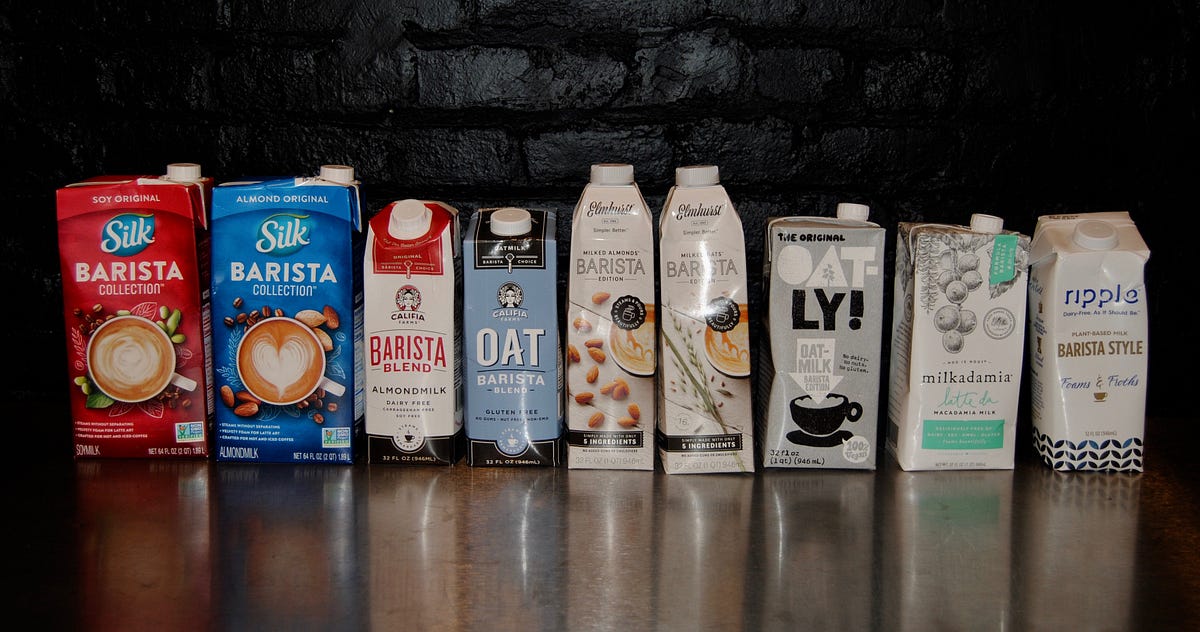
In the modern specialty coffee world, “milk” is no longer a monolith. As of 2026, roughly one in four coffee orders features a plant-based alternative. For a barista, mastering these alternatives isn’t just about offering variety—it’s about understanding the unique chemistry of proteins and fats to deliver the perfect microfoam.1
1. The Chemistry of the “Barista Blend”
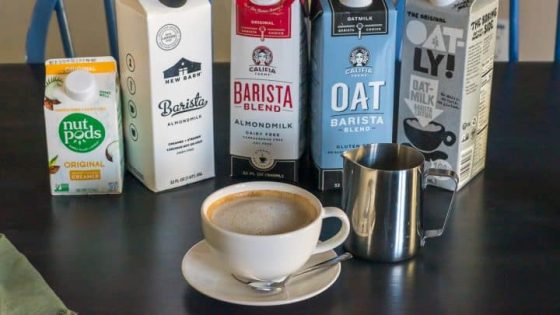
Standard supermarket plant milks often “split” (curdle) when they hit the high acidity and heat of an espresso shot.2 This is why Barista Editions are essential. They typically contain:
- Dipotassium Phosphate: An acidity regulator that prevents the milk from curdling.3
- Gums & Lecithin: Stabilizers like gellan gum or sunflower lecithin that mimic the structural integrity of dairy proteins.4
- Higher Fat Content: Often achieved by adding plant oils (like rapeseed or sunflower oil) to provide the “stretch” and creaminess needed for latte art.
2. Comparing Popular Alternatives
Different milks react uniquely to the steam wand. Here is how the top contenders stack up:
| Milk Type | Best For | Steaming Difficulty | Flavor Profile |
| Oat | Latte Art & Balance | Low (Very stable) | Neutral, subtly sweet |
| Soy | High-Protein Foam | Medium (Fast heating) | Slightly “beany,” creamy |
| Almond | Iced Drinks | High (Prone to splitting) | Nutty, slightly bitter |
| Coconut | Tropical/Mocha | High (Low protein) | Strong coconut finish |
| Pea | Dairy-Like Performance | Low (Stable) | Neutral, very smooth |
3. Mastering the Technique
Every alternative requires a slight adjustment to your standard dairy workflow.

Oat Milk: The Gold Standard
Oat milk is the darling of the industry because its carbohydrate structure produces a stable, glossy microfoam.5
- Tip: Let it rest for 30–45 seconds after steaming before pouring. This allows the texture to homogenize, resulting in cleaner lines for your rosettas and tulips.
- Temperature: Aim for 55–60°C.6 Going higher can caramelize the sugars too much, making it taste “burnt.”7+1


Soy Milk: The Protein Powerhouse
Because soy is high in protein, it aerates quickly.8
- Tip: It can become “stiff” very fast. Incorporate air (the paper-tearing sound) for only the first 2 seconds, then focus entirely on the vortex to break down bubbles.
- Temperature: Soy is surprisingly heat-resistant and can handle up to 65°C.9
Almond Milk: The Fragile Favorite
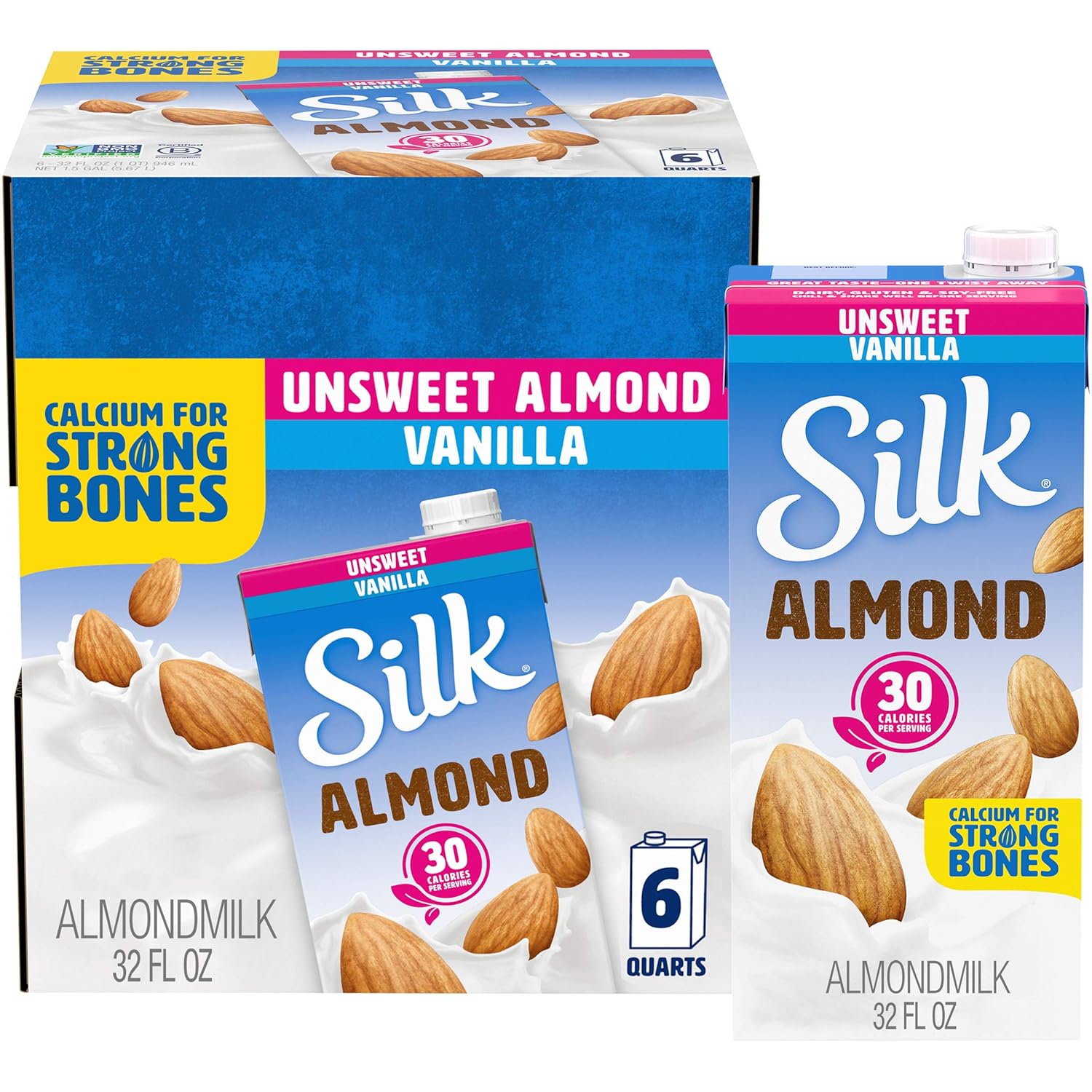
Almond milk has low protein, meaning the foam is less stable and dissipates quickly.10
- Tip: Introduce more air at the beginning than you would for dairy.11 Use a “tap and swirl” method vigorously to keep the foam integrated.
- Temperature: Keep it cool (below 55°C) to avoid separation.
4. Flavor Pairing Guide
- Light Roasts (Fruity/Acidic): Almond or Coconut.12 These milks have higher acidity profiles that won’t “mute” the delicate notes of an Ethiopian or Kenyan bean.
- Medium/Dark Roasts (Chocolatey/Nutty): Oat or Soy.13 These provide a rich, creamy base that complements the bitterness and body of South American blends.
- Specialty Lattes (Matcha/Turmeric): Cashew or Macadamia. Their buttery textures provide a luxurious mouthfeel that highlights earthy spices.
5. Pro-Barista Troubleshooting
- “My milk is curdling!” Check your temperature. If you exceed 65°C, most plant milks will split. Also, try “tempering” the milk by adding a small splash of cold milk to the espresso before pouring the rest.
- “I can’t get any microfoam.” Ensure you are using a “Barista” version. Standard almond or rice milk lacks the protein structure to hold air.
- “The flavor is too strong.” Try a Pea Protein milk (like Sproud or Ripple). It is widely considered the most neutral-tasting alternative in 2026.
Coffee for Home Baristas
-
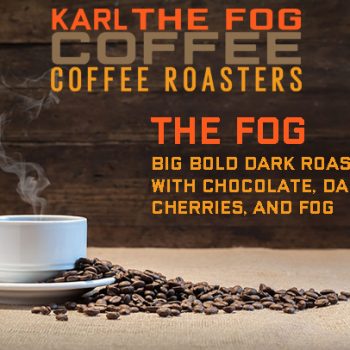

THE FOG Coffee
Price range: $11.25 through $82.50 — available on subscription -
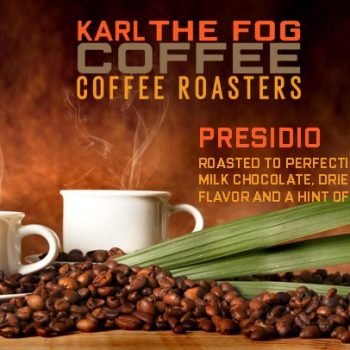
PRESIDIO Coffee
Price range: $10.50 through $71.60 — available on subscription -

SUNSET Coffee
Price range: $10.50 through $81.80 — available on subscription -
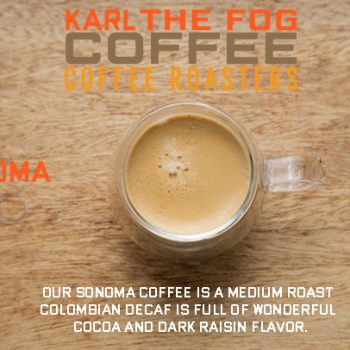
SONOMA Decaf Coffee
Price range: $11.25 through $78.00 — available on subscription